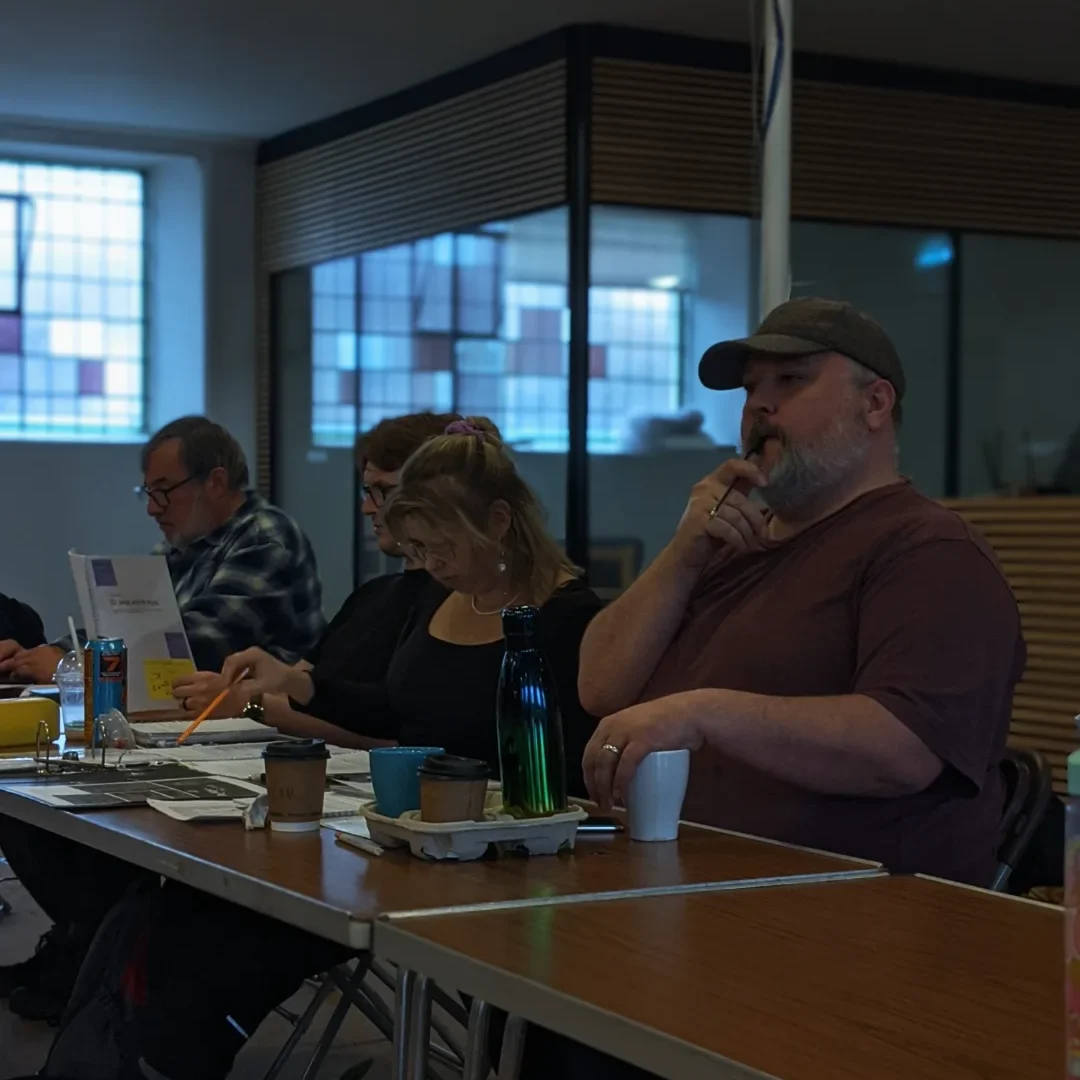
I commissioned directed and produced a Stage adaptation of The Strange Case of Dr Jekyll and Mr Hyde. aimed at audiences keen for gothic horror revivals and GCSE pupils studying the text for GCSE.
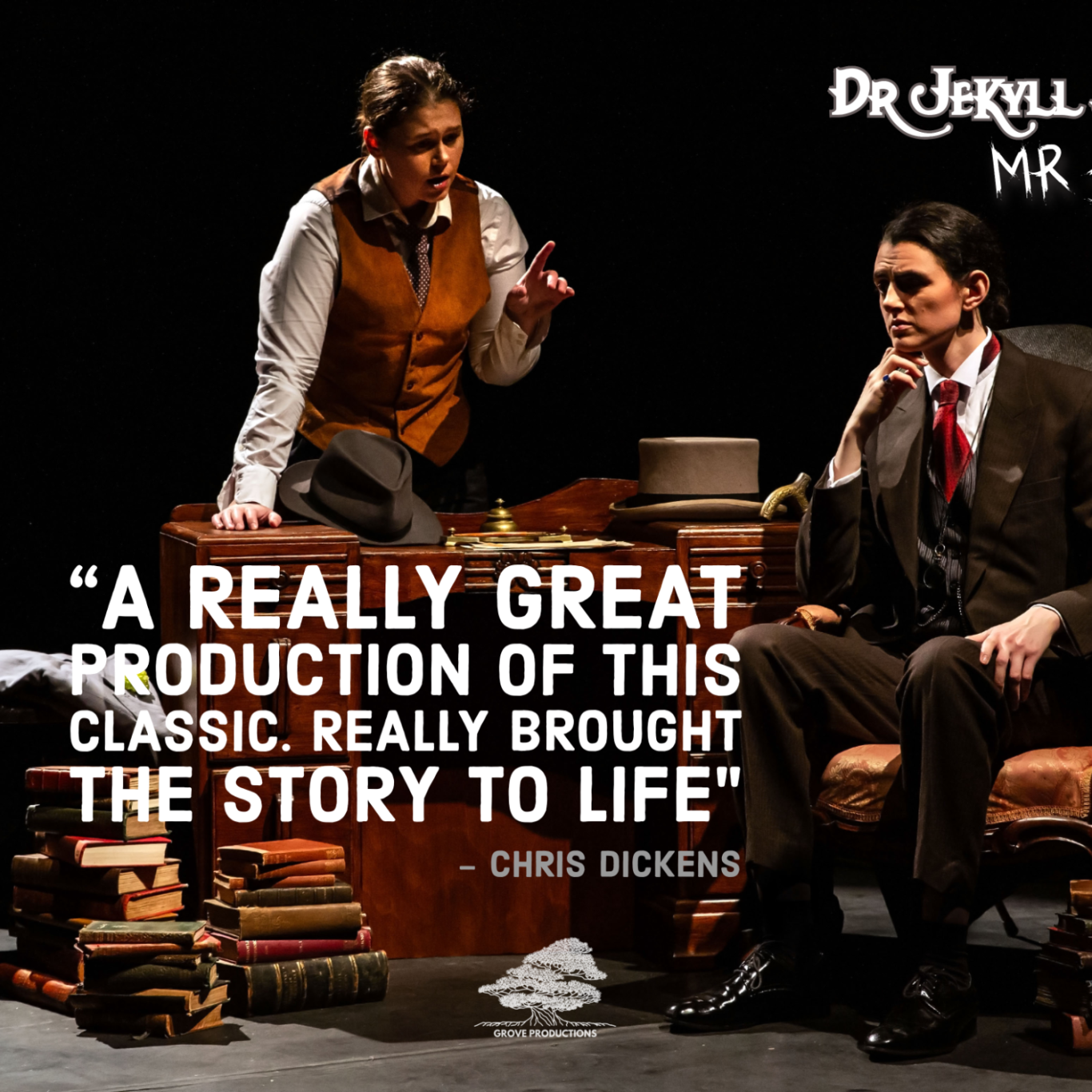
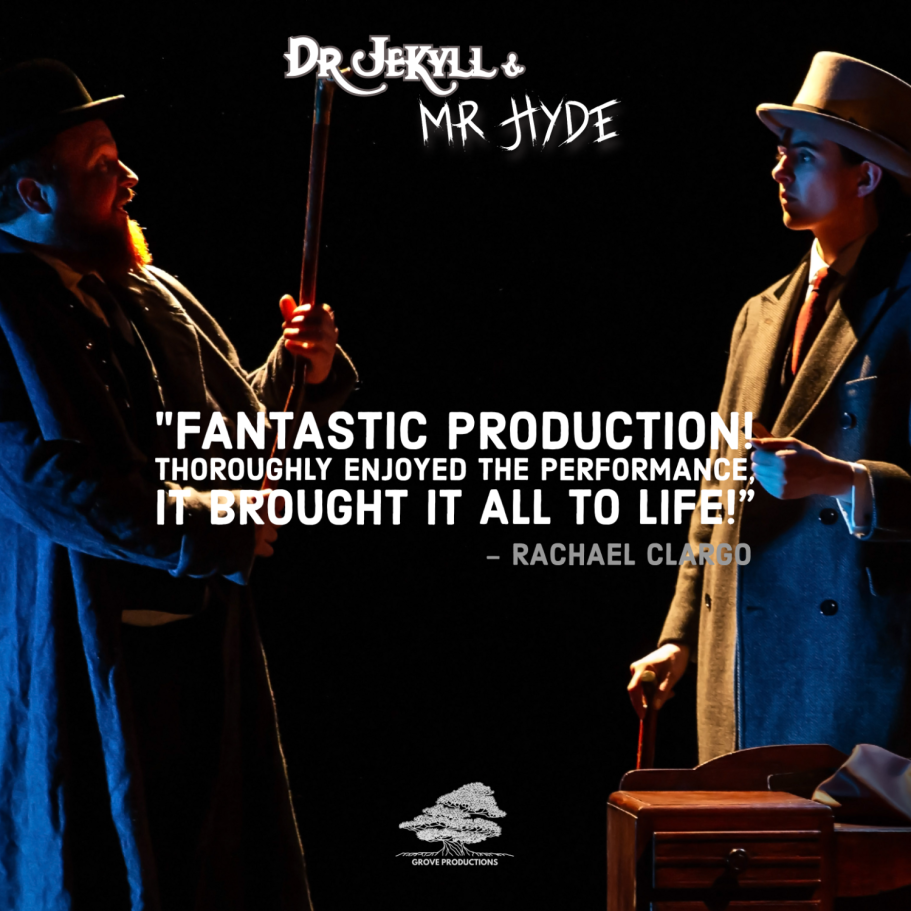
Adaptation
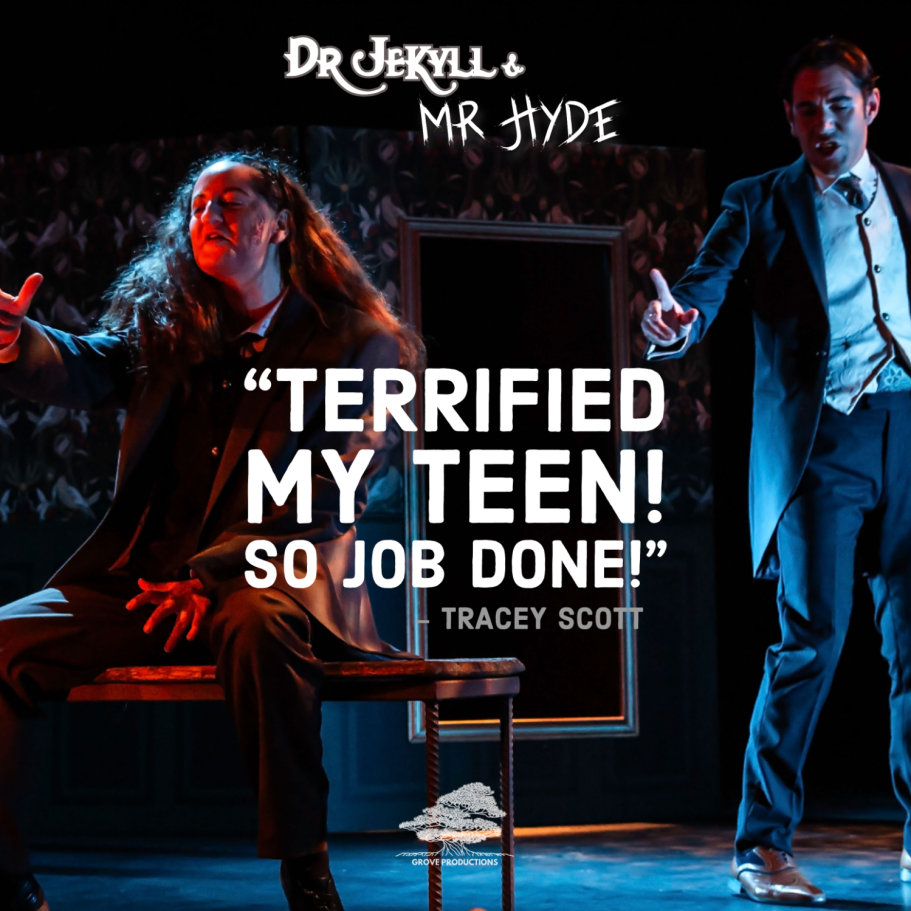
The adaptation, written by Joy-Amy Wigman, restructured the narrative into chronological order, offering greater clarity and accessibility while preserving the novella’s tension and thematic depth.
Recognising that much of Stevenson’s original text is conveyed through letters—an inherently static form for live performance—we reimagined the storytelling framework. The production was presented through the recollections of Utterson and Enfield, who guide the audience through the unfolding mystery as they attempt to make sense of the disturbing events surrounding Jekyll and Hyde. This approach allowed us to retain the investigative nature of the story while creating a more dynamic and theatrical experience.
The project balanced fidelity to the source material with creative adaptation, making the narrative both engaging for contemporary audiences and supportive of students encountering the text in an academic context
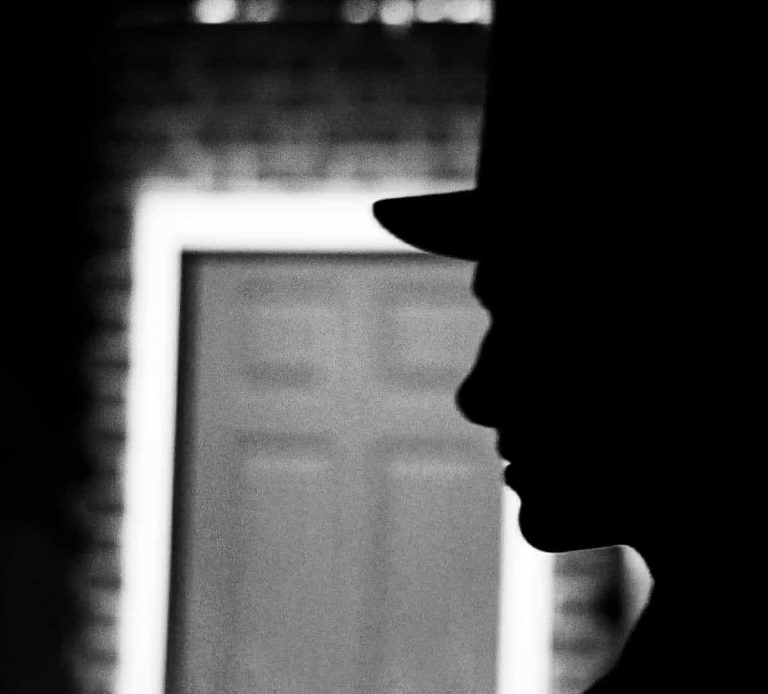
Staging
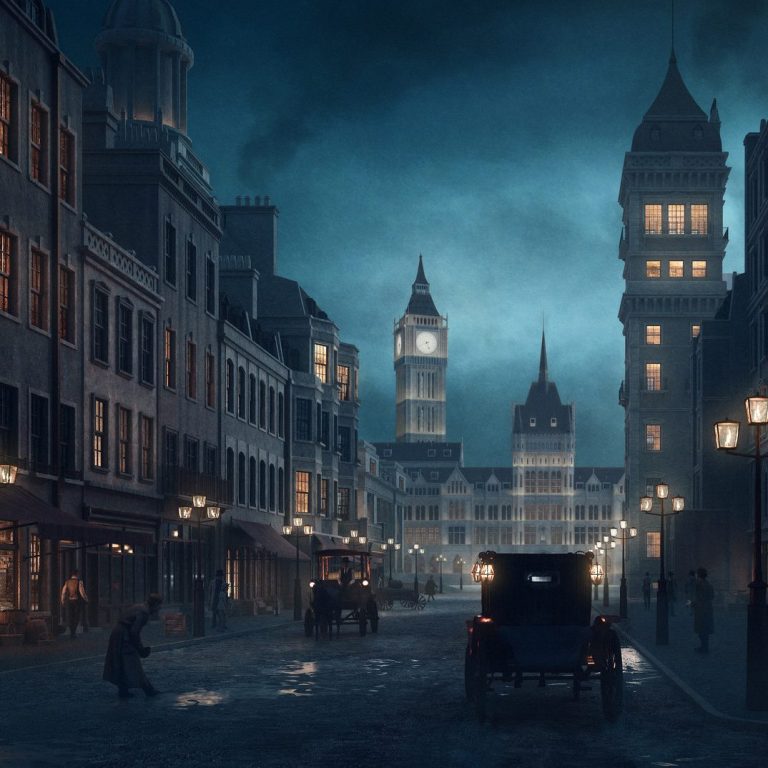
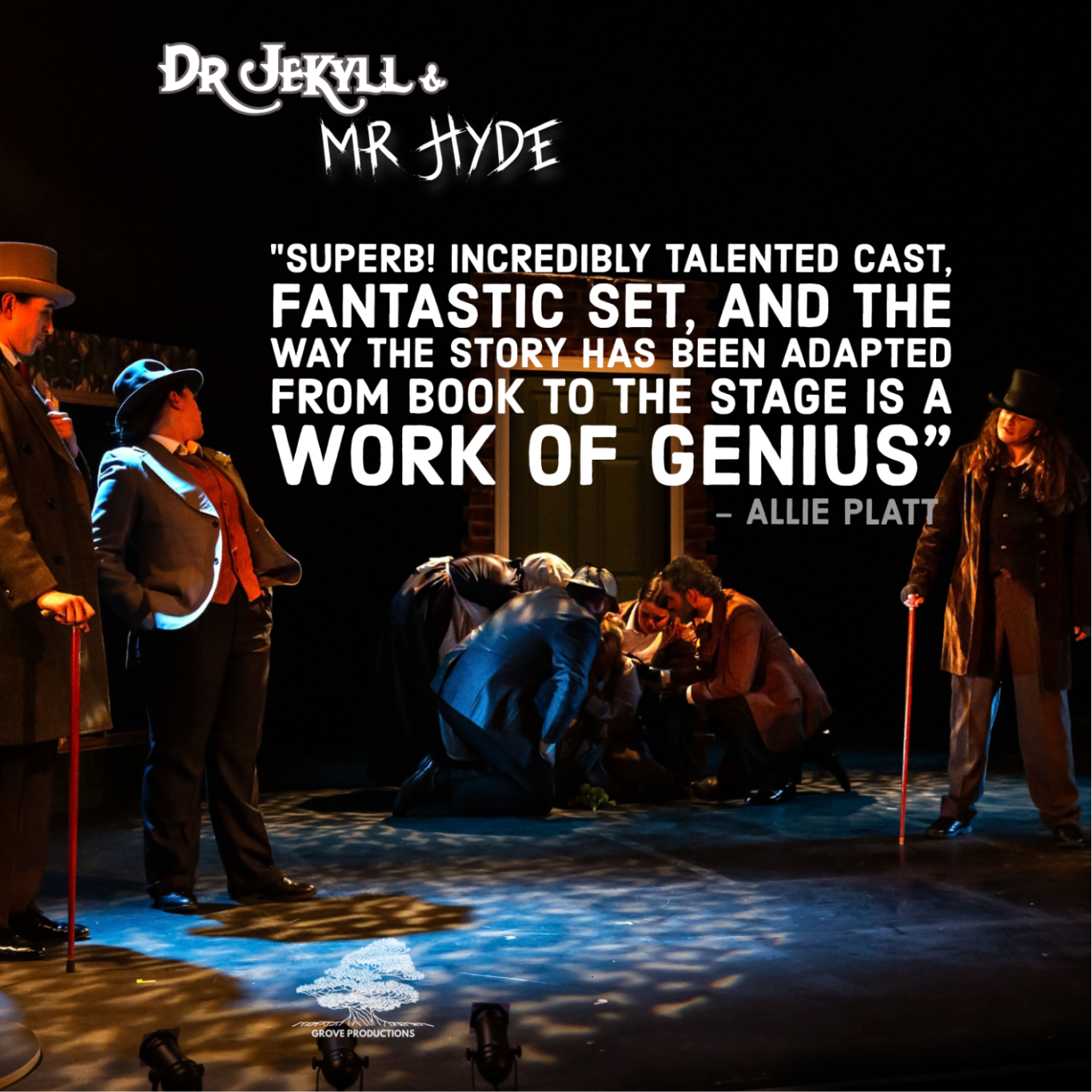
This production of Dr Jekyll and Mr Hyde is staged using Paul Avery’s three-point staging system, which is well suited to touring small and medium-scale venues, schools, and non-traditional performance spaces. The design uses a small number of high-impact set pieces with minimal alterations between scenes, allowing the action to flow without blackouts and maintaining the pace and tension of the narrative.
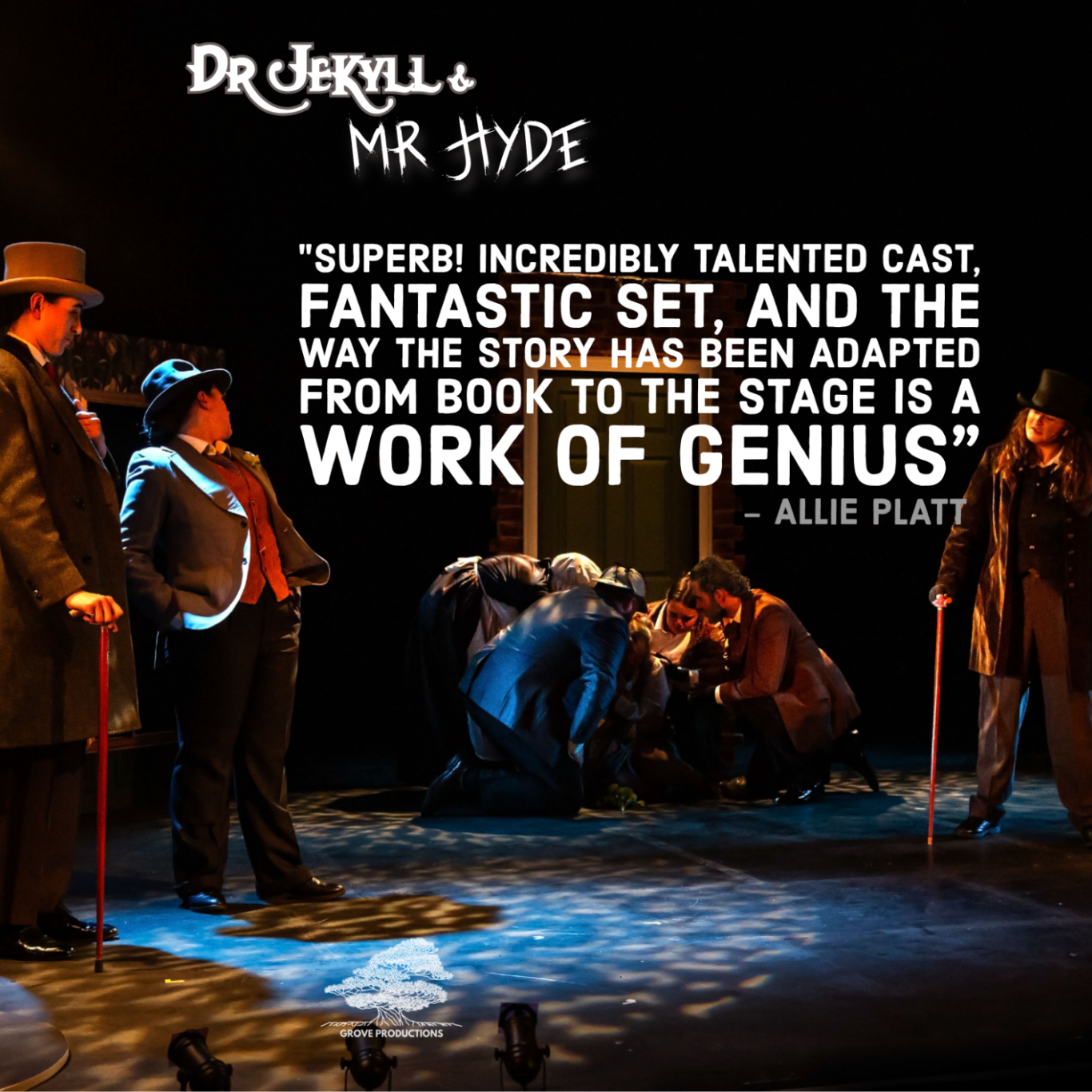
The upstage centre is dominated by a large door, referencing the significant motif from the novel. The door functions both practically and symbolically within the staging. Actors passing through it mark transitions between locations while also suggesting movement from the external world of Victorian London into the internal psychological space of Jekyll’s mind.
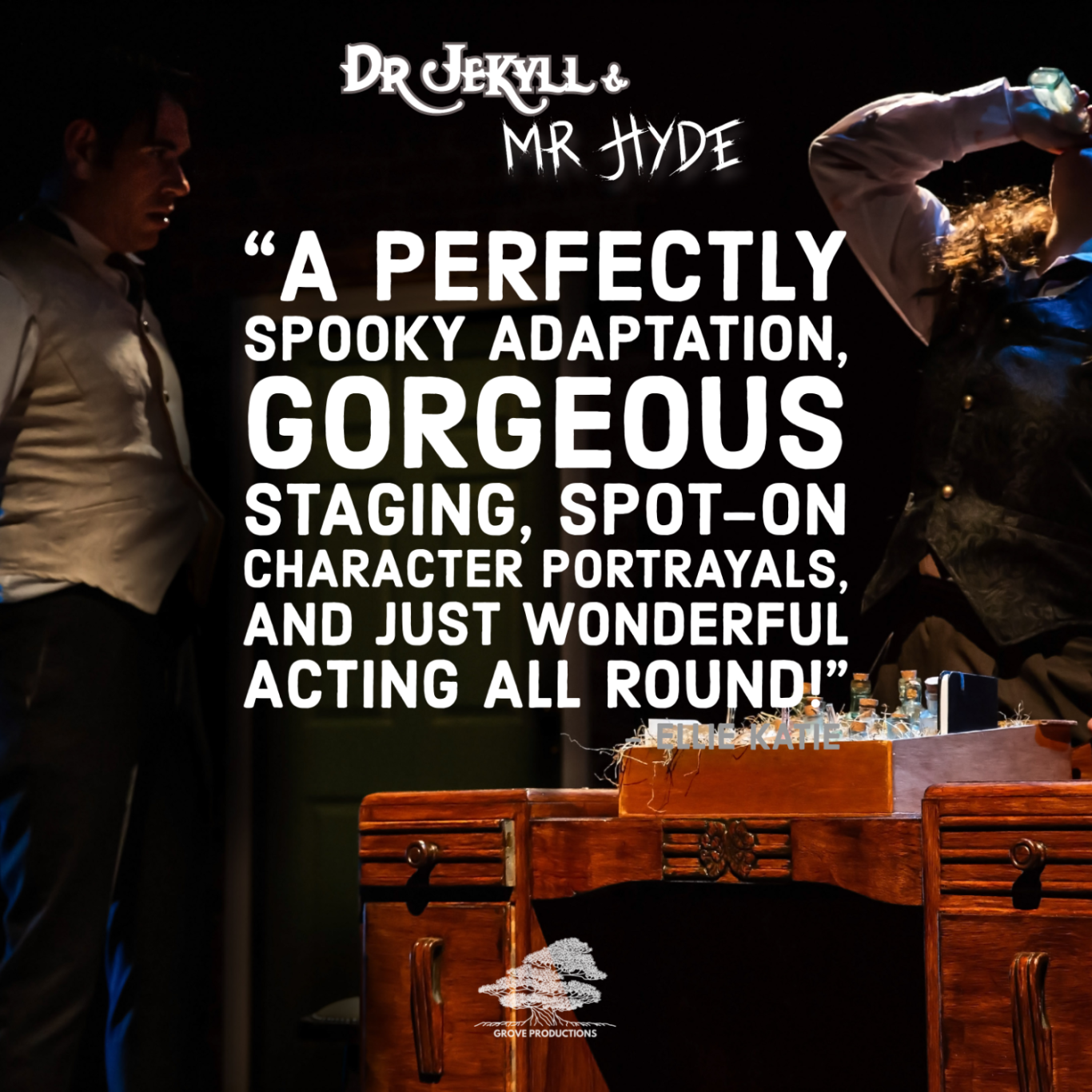
Two key locations, Utterson’s office and Jekyll’s laboratory, are represented downstage left with a permanently placed desk and chair. Through small prop changes, this area transforms quickly between the two settings. The desk also provides a discreet position for quick costume changes, supporting the fast-paced structure required for touring.
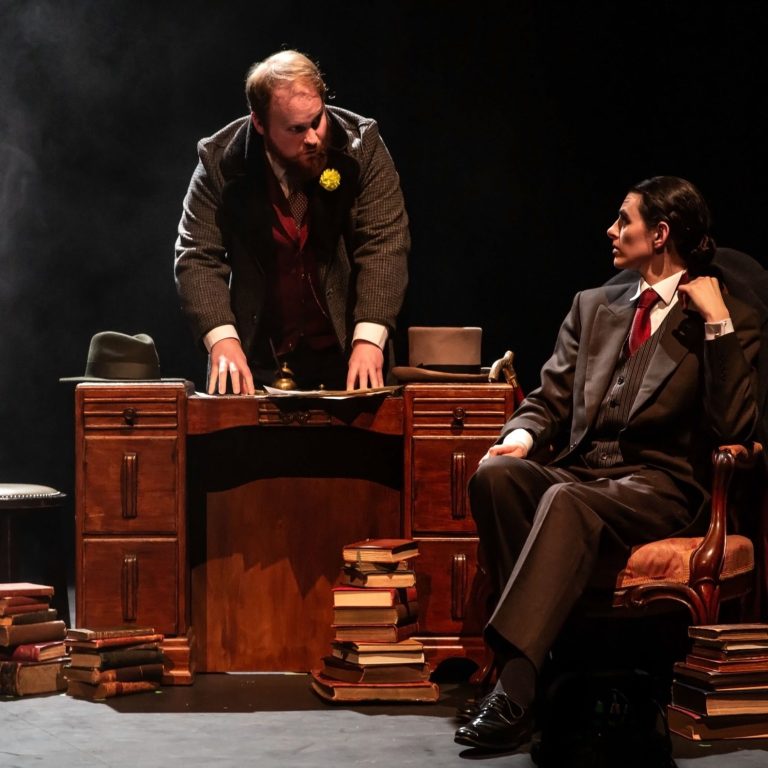
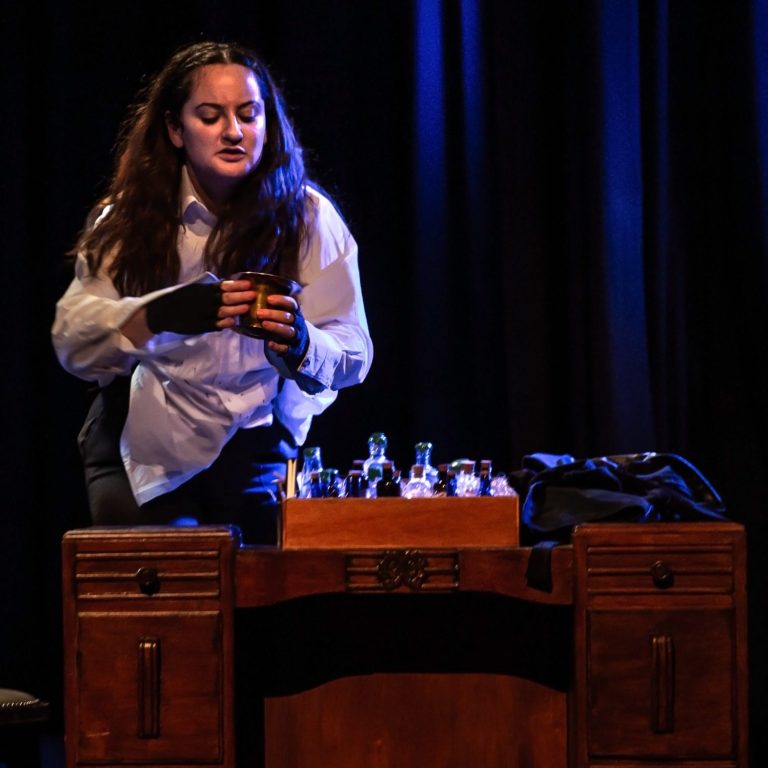
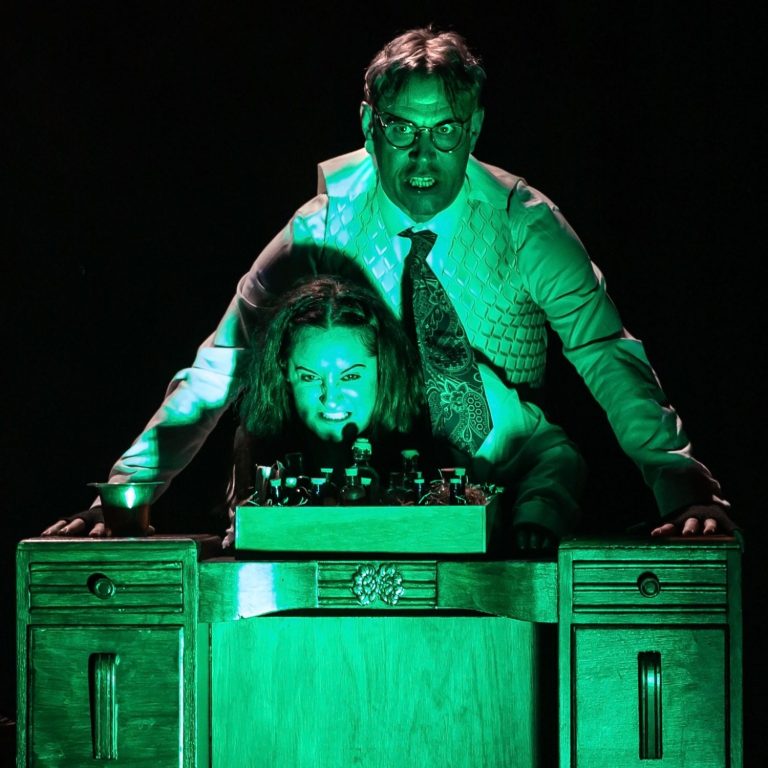
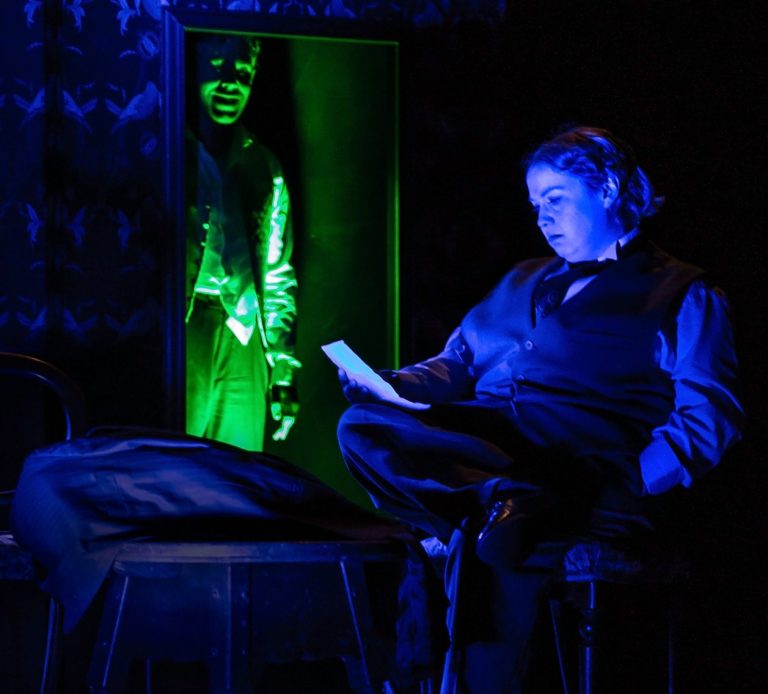
The theme of duality is emphasised visually through a mirror flat positioned downstage right. Designed as an optical illusion, it appears to function as a normal mirror for much of the performance. During key transformation moments, however, Jekyll and Hyde step through it, revealing the mirror as a physical and symbolic threshold. As Hyde gains control later in the play, Jekyll appears trapped within the mirror, creating a visual metaphor for his fractured identity and loss of control.
The design prioritises clarity, symbolism, and adaptability, enabling the production to tour efficiently while supporting the central themes of the text.
Casting
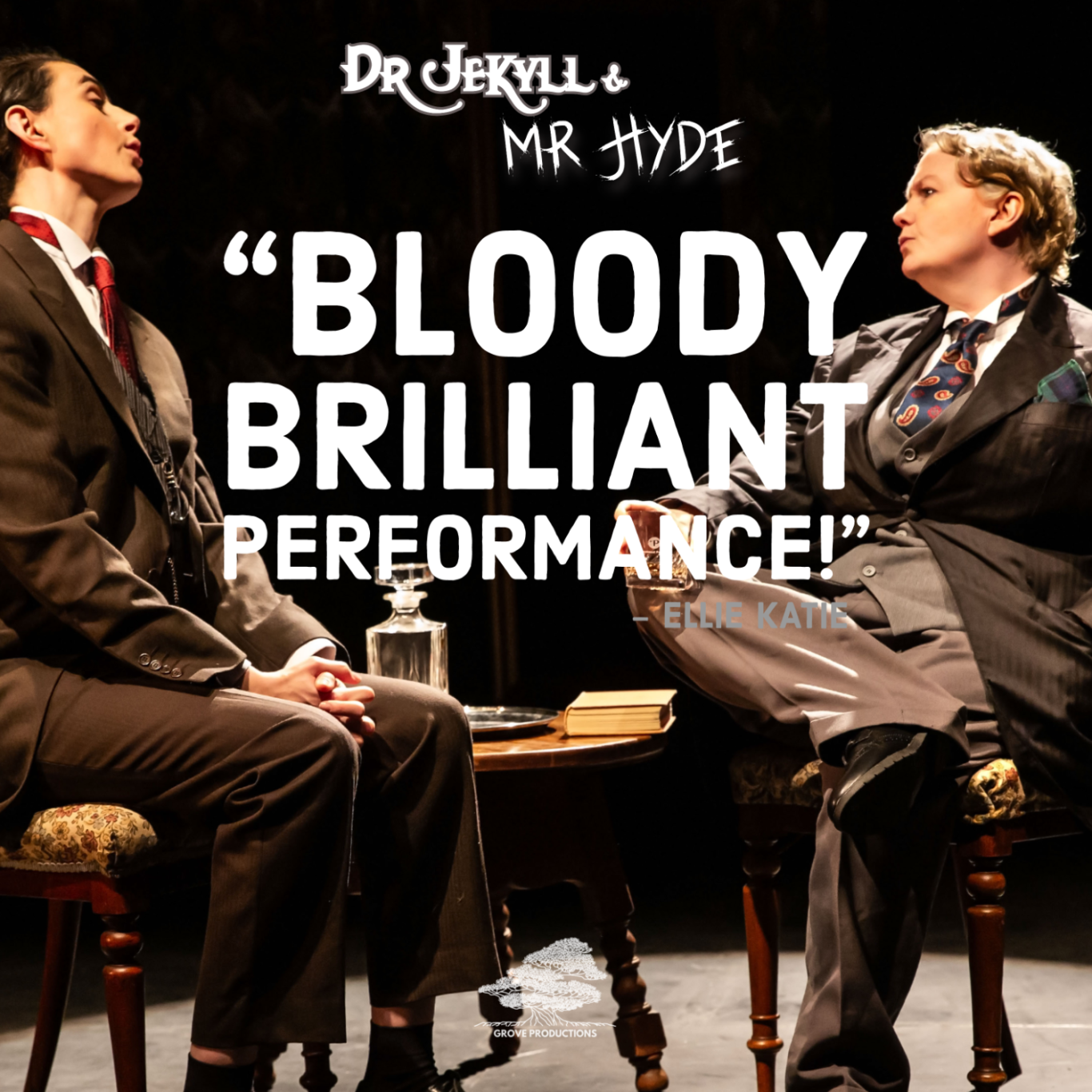
As Jekyll and hyde, like many classical texts, features a predominance of white male characters, I was committed to ensuring that the student audience could see themselves reflected on stage. To achieve this, I adopted a blind casting approach, selecting actors based solely on their ability to embody the character rather than their gender, ethnicity, or background. This approach promoted inclusivity while maintaining artistic integrity, allowing for a more diverse and representative cast. It also encouraged audiences to engage with the characters beyond traditional expectations, reinforcing the universality and relevance of the play.